
DRAGON BALL LEGENDS
Bandai Namco Entertainment Inc.Action
4.4238.47K Reviews
- Version
- 6.27.0
- Installs
- 50.00M
- Age Rating
- Teen
Screenshots


Our Review of DRAGON BALL LEGENDS
 Analysis by Appyee
I approach DRAGON BALL LEGENDS as a game for short bursts of anime-style combat that can easily turn into longer sessions. Its appeal is immediate if you already care about the characters, but the card-based fighting gives newcomers something to learn beyond simply recognizing Goku or Vegeta. The key question is whether you want a mobile action game that mixes timing, collection and competition, or a simpler fighter you can pick up without much ongoing commitment.
What a quick session feels like
The fights are built around decisions made in the moment: choosing an attack card, deciding when to commit, and looking for a chance to connect actions into a combo. That structure makes a brief battle feel active rather than like a sequence of automatic exchanges. I enjoy the contrast between the fast-moving presentation and the need to think about what to do next. The game looks most satisfying when those choices come together and a chain of attacks lands cleanly.
That pace has a qualification: being quick to start does not mean every match is effortless or equally relaxed. Against a human opponent, reacting to another person’s decisions can make the same combat system feel much more demanding. If I have only a few spare minutes, I’m more likely to choose a story or solo activity than begin a competitive match that deserves my full attention.
As an action game from Bandai Namco Entertainment Inc., it sits between a traditional fighting game and the character-collecting mobile games that ask players to build a roster over time. Compared with a console fighter, its card choices make combat easier to approach on a touchscreen, though they do not offer the same direct, button-by-button feel. Compared with a purely casual mobile game, it asks more of me: I need to learn what my fighters can do and pay attention to the pace of a match.
When the game gets demanding
Longer play is not only about fighting. The character roster, upgrades and story give me reasons to stay involved between matches, but they also make progression another part of the experience. Improving a team can be satisfying when I have a particular fighter I want to develop. It is less appealing when I want a complete, self-contained game session and find myself thinking about what still needs building.
A useful way to keep that from turning into busywork is to pick a small goal before opening the game: play a story section, work on one character, or have a few matches. That keeps the roster and progression from becoming an endless checklist. It also helps me judge the game on the part I actually enjoy, rather than on how quickly I can collect or improve everything.
For a realistic everyday use, I can imagine opening it during a break, taking on a short solo stretch, then leaving the more focused PvP for later at home. That split suits the difference between playing at my own pace and responding to another person. If I’m tired, distracted or in a noisy place, a competitive match is a poor choice; a story battle is easier to enjoy without feeling that I need to be at my sharpest.
Reliability, connection and returning to play
Online battles add a kind of tension that story play cannot: I’m testing my decisions against someone who can adapt. The original review’s experience of generally smooth matchmaking is encouraging, but I would still treat PvP as the part most sensitive to circumstances outside my control. A mobile connection can vary, and a match is more enjoyable when I can give it uninterrupted attention. I would not choose it as a dependable way to fill a tiny gap if I might have to leave halfway through.
When returning after a pause, it helps to resume with a modest plan rather than trying to catch up with every available activity at once. The game’s several attractions—story, character growth and multiplayer—can pull in different directions. I find it more manageable to decide which one I want from a session and let the others wait. That is a practical way to keep a large roster and ongoing progression enjoyable instead of overwhelming.
Who will get the most from it
The strongest fit is a Dragon Ball fan who likes seeing familiar fighters in action and is happy to spend time learning a system rather than merely watching flashy animations. The original character Shallot gives the story a thread beyond replaying moments with established heroes, while the roster offers reasons to experiment with different fighters. I also think it suits players who enjoy improving a team over time and see that process as part of the game, not an obstacle between them and the next fight.
I would steer away from it if you want a one-and-done fighting game, dislike collection and upgrade loops, or prefer every competitive encounter to be predictable. Someone looking for precise traditional fighting controls may be happier with a dedicated console fighter; someone who wants something very low-effort may prefer a casual action game. Here, the spectacle is a draw, but the player still has to make decisions, manage progression and accept that PvP asks for concentration.
The game is free to start, with in-app purchases ranging from $0.99 to $94.99 per item. I see that as a reason to set a personal spending boundary before getting invested, not as a requirement to pay. The original review found that patience and regular play can take a player a long way without spending, though anyone who dislikes optional purchase prompts or the pressure to accelerate progress may find the free-to-play structure irritating.
The Thrill of the Fight
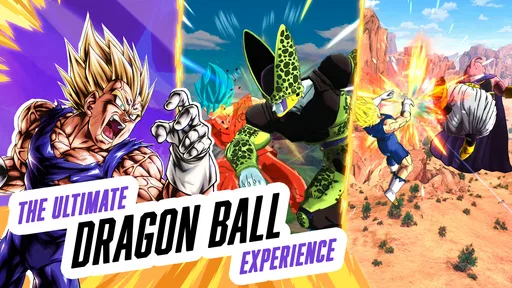
First off, the battles in DRAGON BALL LEGENDS are nothing short of electrifying. The game utilizes a card-based combat system that keeps you on your toes. Each card represents a different attack, and you've got to strategize which ones to use and when. It’s not just about tapping mindlessly; there’s a layer of strategy that keeps things fresh. Plus, the graphics during battles are top-notch, making each fight feel like a scene straight out of the anime.
What really hooked me was the ability to chain combos using different cards. There’s something incredibly satisfying about pulling off a perfect combo and watching your opponent crumble under your might. It’s like being a Saiyan warrior yourself, and who doesn't want that?
Characters and Customization
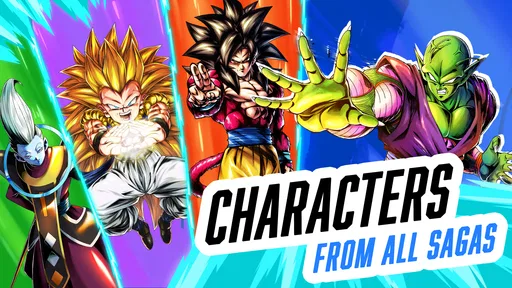
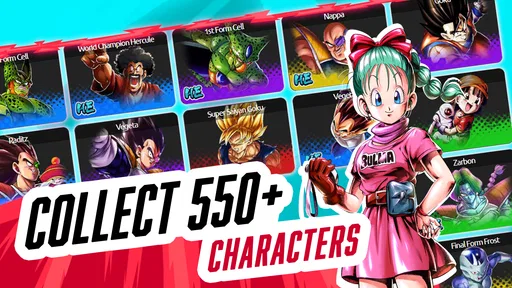
One of the most exciting aspects is the vast roster of characters. From Goku to Vegeta, and even some lesser-known heroes and villains, the game offers a wide array of fighters to choose from. Each character has unique abilities and stats, which adds another layer of depth to the gameplay.
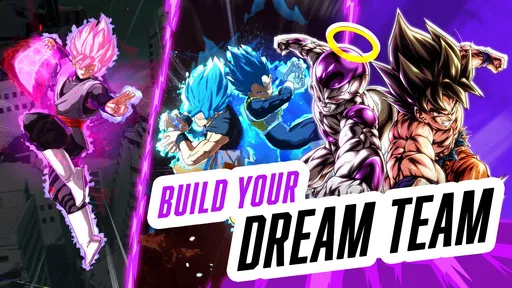
Customization is key here. You can level up your characters and equip them with various items to boost their stats. It’s a bit of a grind, but honestly, it’s the kind of grind that feels rewarding. As you progress, you can unlock new moves and abilities, which keeps you coming back for more.
The Story Mode Adventure
Beyond the battles, the game offers a captivating story mode. It introduces a new character named Shallot, and the storyline is engaging enough to keep you interested between fights. It’s like watching a new saga of Dragon Ball unfold, with twists and turns that are genuinely thrilling.
The dialogue and cutscenes are well-crafted, adding a nice touch of narrative to the action. You’ll find yourself eager to see what happens next, which is a testament to the game’s storytelling prowess.
Multiplayer Mayhem
Of course, it wouldn’t be a Dragon Ball game without some epic multiplayer battles. You can challenge friends or other players worldwide in PvP matches. The matchmaking is generally smooth, and the thrill of testing your skills against real opponents adds a competitive edge that’s hard to resist.
Playing against others forces you to refine your strategy and adapt on the fly, making each match a unique experience. Plus, climbing the ranks in the PvP ladder brings a real sense of accomplishment.
Free-to-Play with a Twist
The game follows a free-to-play model with in-app purchases, which is pretty standard these days. While you can play and enjoy the game without spending a dime, there are some enticing extras you might want to consider. From special characters to upgrades, these purchases can enhance your experience. However, I found that with patience and regular play, you can achieve quite a lot without opening your wallet.
It’s a balanced approach that offers options for both casual players and those looking to invest a bit more into their gaming experience.
Final Thoughts
All in all, DRAGON BALL LEGENDS is a must-play for any fan of the franchise or anyone who enjoys a good fighting game with strategic depth. The combination of dynamic battles, a compelling story mode, and a robust character roster makes it a standout in the mobile gaming world.
Whether you’re in it for the nostalgia or the thrill of the fight, this game delivers on all fronts. So grab your phone, channel your inner Saiyan, and dive into the action-packed world of DRAGON BALL LEGENDS. Trust me, you won't regret it!
Version, audience and device fit
The game was released on May 17, 2018, and its current version is 6.17.0. It is rated Teen, so I would keep that audience guidance in mind when deciding whether it is suitable for a younger player. The scale of its community is substantial, with an average rating of 4.3 from around 2.1 million ratings and over 50 million installs. Those figures suggest broad interest, but they do not tell me whether the combat loop or progression will suit a particular person.
On Android, the stated minimum operating system is version 10. Meeting that requirement is only a starting point for a good experience: a device’s age, available storage and general condition can still affect how comfortable a game feels. I would make room before installing and close other demanding apps if the phone feels strained. Those are sensible precautions, not a promise that every device will run identically.
For speed expectations, I would separate the pace of the fighting from the time the game takes to load or reconnect. The combat is presented as brisk, but no mobile game can guarantee an equally smooth session across every device and network. If a match feels interrupted, I would first try a steadier connection and avoid switching apps mid-session. That simple habit is especially useful for PvP, where losing focus is more frustrating than it is during a story encounter.
Small choices that make sessions smoother
One useful habit is to treat character development as a focused choice rather than trying to improve every fighter at once. When a particular character is already part of the team I enjoy using, investing attention there makes the next session feel purposeful. It also reduces the feeling that I need to understand the whole roster before I can have fun. The trade-off is that experimenting with every character may take longer, so this approach suits players who would rather deepen a few favorites than constantly switch.
I would also separate learning a new team from judging my performance in PvP. A story stretch is a less pressured place to get comfortable with the available cards and the rhythm of chaining attacks. Once I know what I want to try, multiplayer becomes a more meaningful test instead of a frustrating first attempt. This is not a shortcut to winning; it is simply a way to avoid learning the controls and adapting to an opponent at the same time.
Storage and connectivity are practical questions worth considering before a long session. Large, visually rich mobile games can be less convenient on a phone that is already crowded or running short on resources, and online play depends on a usable connection. I would check that the device has room and that I am comfortable with the current network before settling into PvP. If I am travelling or likely to lose reception, solo story play is the safer choice when available, while a different offline game is a better option if I need guaranteed continuity.
How it compares with other mobile action games
Against straightforward arcade action games, this one gives more weight to roster decisions and the timing of card use. That makes it more rewarding for someone who likes learning matchups and building a familiar team, but less convenient for someone who wants immediate, uncomplicated action. Against mobile games centered mostly on collecting characters, its battles provide a more direct reason to think about how a team is used. The balance is appealing when I want both progression and active combat; it can feel like too much management when I only want a quick fight.
It is also different from a traditional one-on-one fighter. The anime presentation and accessible card choices help it work on a touchscreen, while the strategy is expressed through selecting and chaining attacks rather than relying on a full controller-style command set. Players who prize precise manual inputs should look elsewhere. Players who want a portable Dragon Ball-themed battle with a collection layer are more likely to find the compromise worthwhile.
My performance verdict
For me, the game’s best performance quality is its sense of momentum once a battle is underway: choosing a card, reading the moment and extending a combo can make a short session feel vivid. Its main friction comes from everything around that core—developing a roster takes patience, PvP is best played with a steady connection and enough attention, and a phone must meet the minimum OS requirement without being overloaded. I would not promise a particular frame rate or recovery time, because those depend on the device and conditions.
Overall, I recommend it to Dragon Ball fans who enjoy tactical mobile combat and are comfortable returning to improve their team. I would skip it if I wanted a lightweight offline game, a conventional controller-focused fighter, or a progression-free experience. For someone choosing between this and a simpler action title, the deciding question is whether character growth and competitive play sound like part of the fun. If they do, the game has plenty to explore; if not, its most appealing strengths may also become its biggest demands.
Verdict
Strengths of DRAGON BALL LEGENDS
- Stunning graphics and animations.
- Engaging storyline with voice acting.
- Wide character selection and upgrades.
- Intuitive and easy-to-learn controls.
- Regular updates and new content.
Limitations of DRAGON BALL LEGENDS
- Requires a stable internet connection.
- In-app purchases can be expensive.
- Repetitive gameplay over time.
- High battery consumption.
- Limited offline features.
Other Releases by Bandai Namco Entertainment Inc.
View All
ONE PIECE Bounty Rush
Action4.3

DRAGON BALL Z DOKKAN BATTLE
Action4.6

ONE PIECE TREASURE CRUISE-RPG
Role Playing4.5

DRAGON BALL GEKISHIN SQUADRA
Action4.2
Similar Picks in This Category
View All
Temple Run 2: Endless Escape
Imangi Studios4.1

PUBG MOBILE
Level Infinite4.3

Free Fire: 9th Anniversary
GARENA INTERNATIONAL I4.4

Talking Tom: Hero Dash Run
Outfit7 Limited4.3

slither.io
Lowtech Studios3.9

Sniper 3D:Gun Shooting Games
Wildlife Studios4.6
Frequently Asked Questions
What is DRAGON BALL LEGENDS and what can I expect from the gameplay?
DRAGON BALL LEGENDS is a 3D fighting game that brings the iconic DRAGON BALL universe to life on mobile devices. Players can engage in real-time battles using swipe and tap controls. The game features a rich storyline with new characters, stunning graphics, and voice acting, providing an immersive experience for fans of the series.
Is DRAGON BALL LEGENDS free to play, and are there any in-app purchases?
DRAGON BALL LEGENDS is free to download and play, but it does offer in-app purchases. These purchases can help players obtain characters, power-ups, and other enhancements more quickly. While spending money can enhance the experience, it is not necessary to enjoy the game fully, as progress can still be made through regular gameplay.
What are the system requirements for DRAGON BALL LEGENDS on Android and iOS?
For Android, DRAGON BALL LEGENDS requires a device running Android 6.0 or later, with at least 2GB of RAM. For iOS, it requires an iPhone 6S or later running iOS 10.0 or later. Players should ensure their devices meet these requirements to enjoy smooth gameplay and optimal graphics performance.
Can I play DRAGON BALL LEGENDS with my friends, and does it have a multiplayer mode?
Yes, DRAGON BALL LEGENDS features a multiplayer mode where you can battle friends or other players globally in real-time PvP matches. The game’s matchmaking system pairs you with opponents of similar skill levels, offering a competitive and fair experience. Playing with friends adds an exciting dimension to the game, enhancing replay value.
How often does DRAGON BALL LEGENDS receive updates and new content?
DRAGON BALL LEGENDS regularly receives updates that introduce new characters, storylines, events, and gameplay enhancements. These updates keep the game fresh and engaging, encouraging players to return frequently. The developers are committed to maintaining an active community by providing consistent content updates and addressing player feedback.
Play our best games!


